Ruled out
Country as origin
“Product of Ethiopia” is a customs statement, not an origin. If the station cannot be named, the lot is not bought.
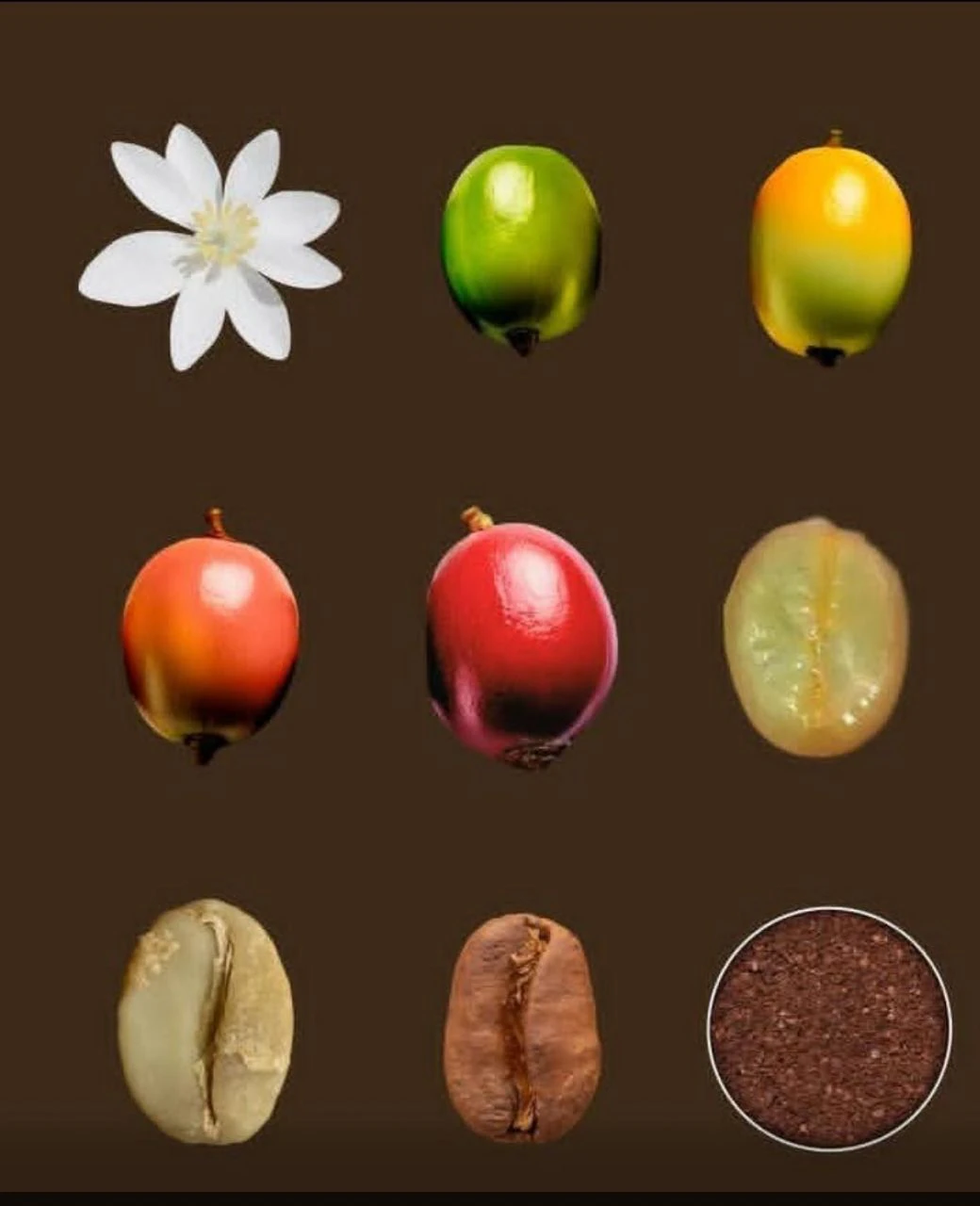
Five questions we have to answer before a lot is bought. Not a promise about how we feel — a checklist a supplier either passes or does not.
Most food brands can answer one or two of these. A lot that cannot answer all five is not sold under this name — it is simply not bought.
The same five checks, written as the specific evidence each origin has to supply.
Analysis is performed by an accredited laboratory and released with the lot rather than on request. Where a figure is not yet in hand, this site says so.
A standard is only useful if a customer can check it. Every bag and bottle will carry a code that opens the record of that specific lot.
A printed code on the pack — no application to install. On a phone, open the sample record rather than scanning the preview.
Place, people, harvest, processing, laboratory analysis, tasting notes and brewing or serving guidance — for that lot, not the brand in general.
Each lot page stays online after the harvest sells out, so a good year can be asked for again by name.
A standard that costs nothing is decoration. These are the things it stops us doing.
“Product of Ethiopia” is a customs statement, not an origin. If the station cannot be named, the lot is not bought.
Mixing regions to hold a price point is normal in this trade. It also erases the thing we are selling.
No stock image of a farmer stands in for a relationship. Producer photography is published when the producer is ours to photograph.
Where a number exists — altitude, acidity, polyphenols, cupping score — the number is printed instead of the adjective.
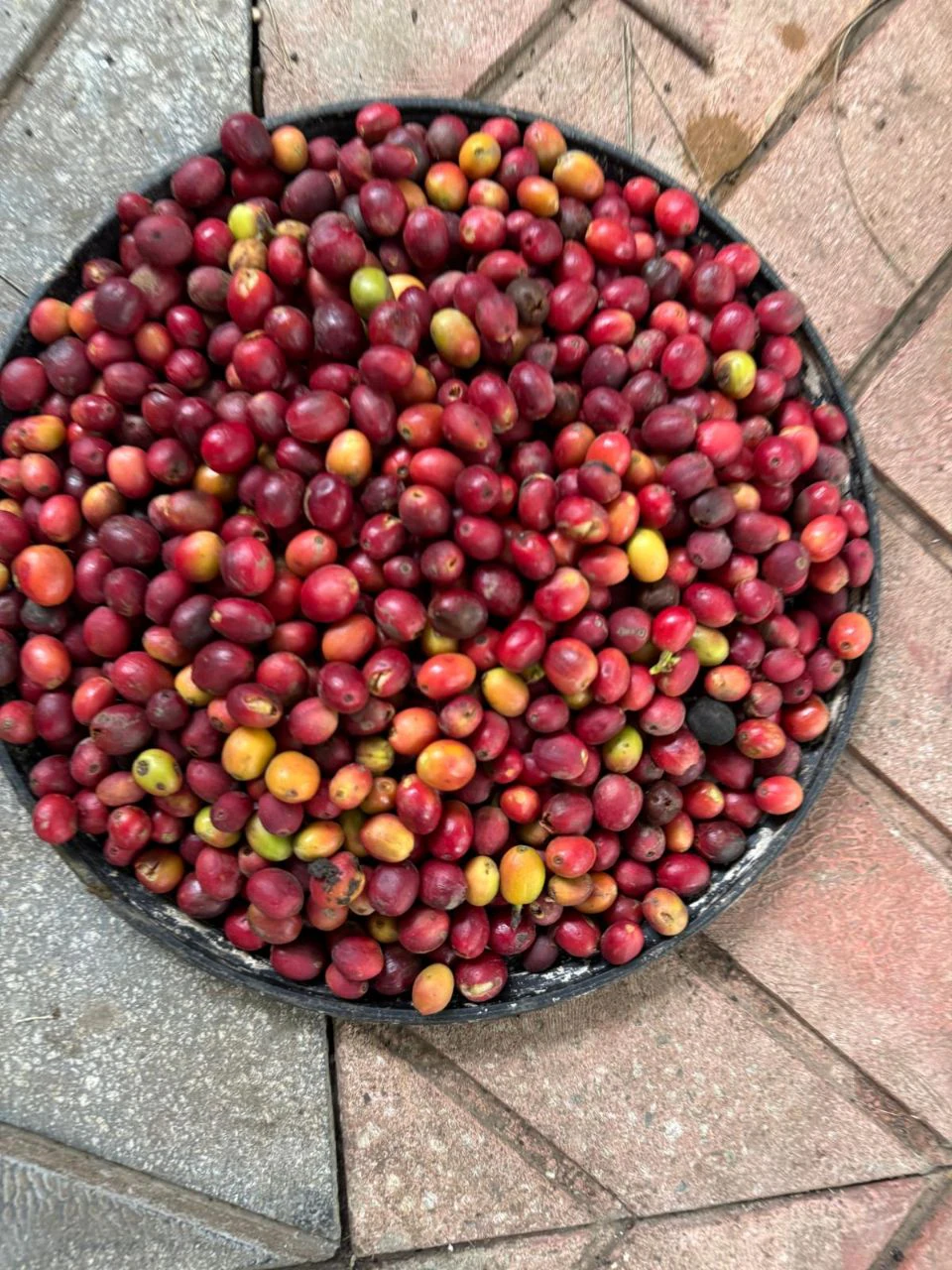
Five links. Each one is a place where information is normally lost, and each one is a place where we intend to keep it.
The land sets what is possible. The people decide how much of it survives picking, fermentation, drying or pressing. The product records those decisions. The house verifies them. You get the result, and the record that explains it.